
The Open Doors Russian Scholarship Project of the Global Universities Association
10 years of attracting and developing talents!
10 years of attracting and developing talents!
Open Doors: Russian Scholarship Project is your chance for tuition-free education and research career in Russia!
If you are a young and ambitious PhD holder, this is your chance to get a postdoc position at one of the leading universities in Russia
If you are a young and ambitious PhD holder, this is your chance to get a postdoc position at one of the leading universities in Russia
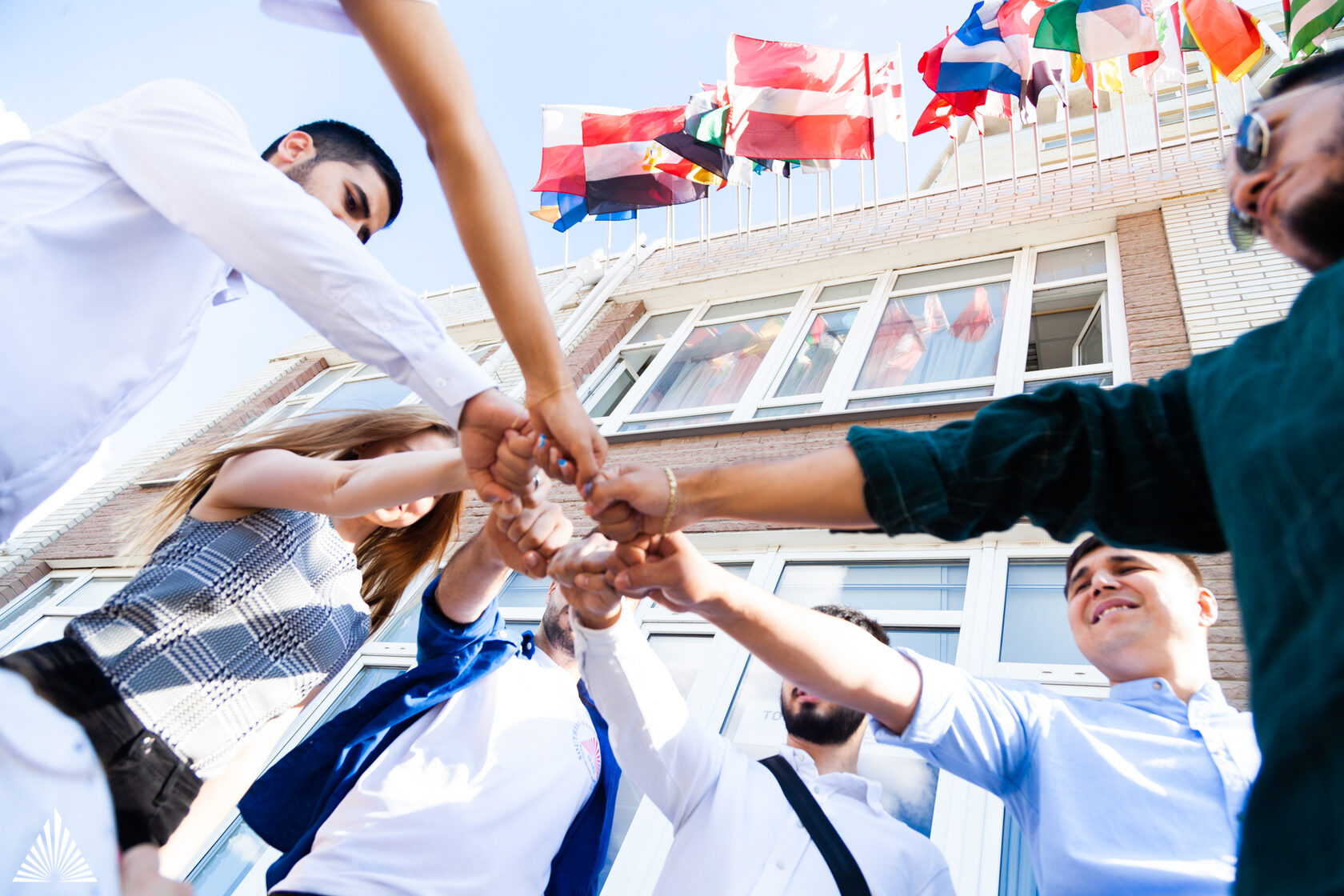
| About Open Doors Russian Scholarship Project The Open Doors offers limitless opportunities for education, self-development, and new academic career prospects in Russia for young talented individuals from around the globe.
|
Find out how to get grant support based on the results of the Open Doors Olympiad









WHY SFedU University?
Southern Federal University (SFedU) is the largest research and educational center in the south of Russia, which has a rich history dating back to 1915. SFedU has more than 24,000 students, including 3,000 international students from 80 countries. SFedU is located in the cities of Rostov-on-Don and Taganrog. This unique location shows the inclusiveness of university and a wide variety of current tasks: the establishment of the university as a leading center for training highly qualified specialists; the development of fundamental and applied research; inclusion in international research and educational networks. Most SFedU faculties and institutes are located in the city of Rostov-on-Don – a beautiful city with the richest heritage, the largest industrial and cultural center on the banks of the picturesque Don River.
SFedU engineering faculties are located in the city of Taganrog, which is situated on the shore of the Taganrog Bay of the Azov Sea.
SFedU engineering faculties are located in the city of Taganrog, which is situated on the shore of the Taganrog Bay of the Azov Sea.
INTERNATIONAL PARTNERSHIP
- 159
- 194
- 95
- 241cooperation agreements with 198 foreign organizations from 44 countries
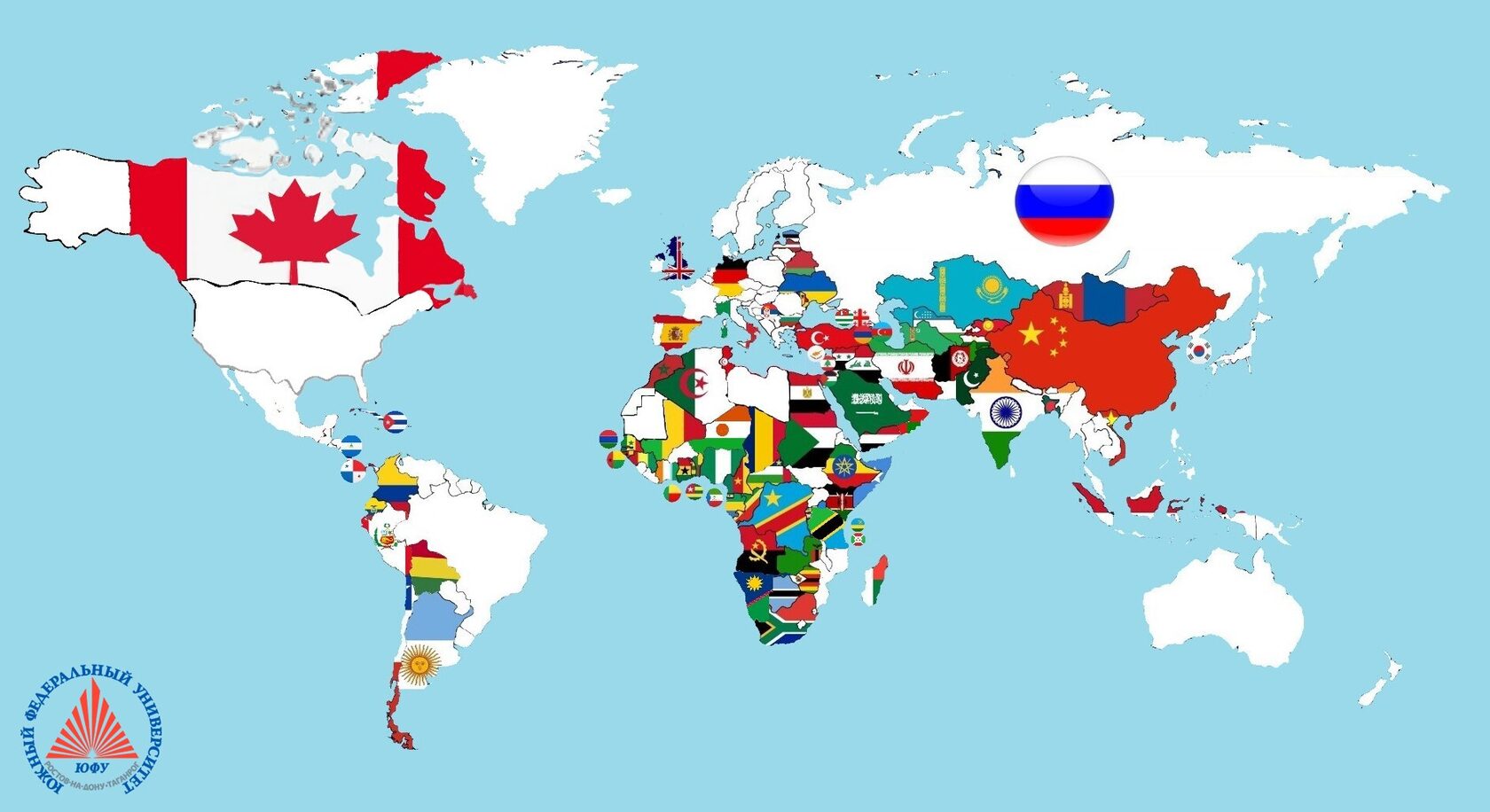
Geography of SFedU international students
OUR BENEFITS
- Academic degreeSFedU is included in the list of scientific and educational organizations, which is able to independently award academic degrees of Candidate and Doctor of Sciences.
- Competitive positions in international rankings
- "Agroclimatology", "Neuroimaging" and "Biology of synapses", search laboratory "Communication Systems"
- SFedU students can spend a semester at one of about 70 foreign partner universities as part of the academic exchange program.
- We invite you to acquire new interdisciplinary competencies and skills.
- Graduates of the university receive a European Diploma Supplement.
- SFedU is on the list of winners for the track "Research Leadership" of the “Priority 2030” program
- SFedU is a member of Network Universities: Network University of the Commonwealth of Independent States, Russian-African Network University (RAFU), Russian-Kyrgyz Consortium of Technical Universities (RKKTU)
- The Division of Russian as a Foreign Language and General Courses for International Students (Preparatory Department) prepares foreign applicants for professional educational programs in Russian
- SFedU has the right to independently conduct an examination of foreign education for the purpose of academic recognition
My student life in Southern Federal University!
Open Doors Scholarship is Your Gateway to Tuition-Free Education in Russia!
Interview with Open Doors' winner, 2025
Interview with Open Doors' winner, 2025
- Open Doors' winner, 2025
Hi! My name is He Runnan, and I'm really happy to be studying at the Southern Federal University. I have been there studying for a year! SFedU is an amazing place with a great atmosphere and lots of opportunities!
I started my journey at SFedU in the Preparatory Department of Russian language last year. Now, I will continue my studies at the Bachelor's program "Philology", thanks to my participation in the Open Doors Olympiad.
"Open Doors" gave me the chance to receive a high-quality education in Russia. I am truly grateful for this opportunity as it has provided me with the opportunity to obtain a top-notch education in Russia.
Choosing SFedU was a great decision for me as it is a top-notch university with a solid academic foundation, friendly environment, and great opportunities for international students like me. I am confident that I will receive a good education and make some great friends here!
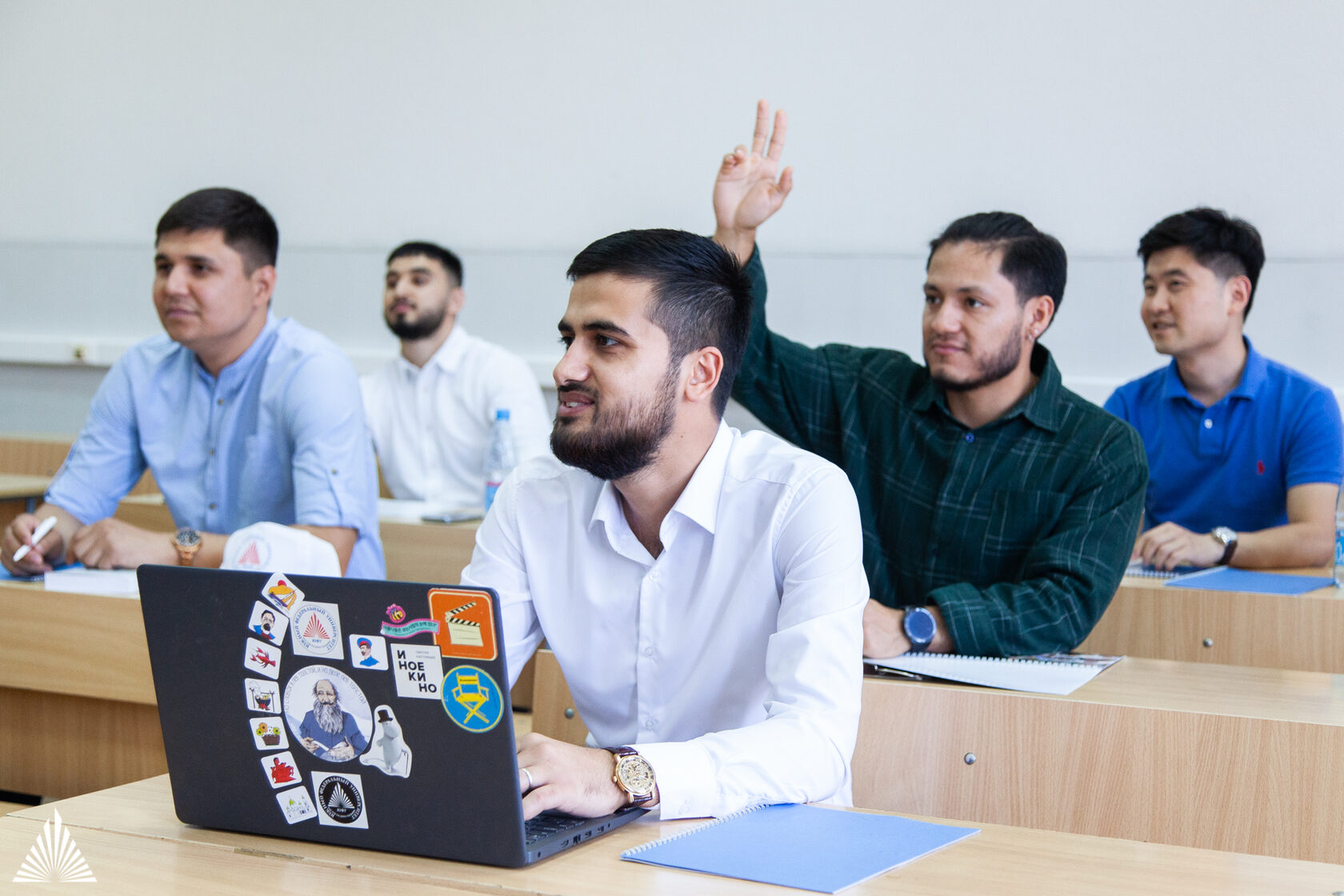
Find out all the important details about the admission process at SFedU!
Bachelor's degree
The winners and prize-winners of the Olympiad can enroll at the chosen level of education and study for free in the following areas
· 38.03.02 Management. Management
· 38.03.05 Business Informatics. Business Analytics
· 38.03.05 Business Informatics. Advanced IT solutions in business
· 38.03.06 International trade. International trade
· 38.03.06 International trade. International trade (English-taught program)
· 39.03.03 Youth Outreach Management. State youth policy
· 43.03.01 Service. Service management
· 43.03.03 Hotel Business. Hotel Business
· 38.03.05 Business Informatics. Business Analytics
· 38.03.05 Business Informatics. Advanced IT solutions in business
· 38.03.06 International trade. International trade
· 38.03.06 International trade. International trade (English-taught program)
· 39.03.03 Youth Outreach Management. State youth policy
· 43.03.01 Service. Service management
· 43.03.03 Hotel Business. Hotel Business
· 45.03.01 Philology. Philology and Translation (Spanish language and Literature; English and Portuguese)
· 45.03.01 Philology. Philology and Translation (English language and Literature; Spanish and Portuguese)
· 45.03.01 Philology. Russian Philology
· 45.03.01 Philology. Russian Language and Culture Studies/ Lengua Rusa y Estudios Culturales (RUS+ENG program)
· 45.03.02 Linguistics. Linguistics and Translation (Russian and English)
· 45.03.01 Philology. Philology and Translation (English language and Literature; Spanish and Portuguese)
· 45.03.01 Philology. Russian Philology
· 45.03.01 Philology. Russian Language and Culture Studies/ Lengua Rusa y Estudios Culturales (RUS+ENG program)
· 45.03.02 Linguistics. Linguistics and Translation (Russian and English)
- 42.03.02 Journalism. Journalism
- 42.03.02 Journalism. International Journalism (English and Chinese)
- 51.03.01 Culturology. Cultural management and art business
- 51.03.01 Culturology. Russian Language and Culture Studies (RUS+ENG program)
· 41.03.01 World Regional Studies. The Caucasus and the Middle East in the system of regional and international relations
· 41.03.04 Political Science. Political Science
· 41.03.05 International Relations. International Relations
· 46.03.01 History. History
· 40.03.01 Legal Studies. Legal Studies
· 41.03.04 Political Science. Political Science
· 41.03.05 International Relations. International Relations
· 46.03.01 History. History
· 40.03.01 Legal Studies. Legal Studies
· 38.03.01 Economics. Economics
· 38.03.03 HR Economy and Management. HR Economy and Management
· 38.03.05 Business Informatics. Economic Analytics
· 38.03.05 Business Informatics. Electronic Business
· 38.03.03 HR Economy and Management. HR Economy and Management
· 38.03.05 Business Informatics. Economic Analytics
· 38.03.05 Business Informatics. Electronic Business
BASIC HIGHER EDUCATION (bachelor’s degree)
The winners and prize-winners of the Olympiad can enroll at the chosen level of education and study for free in the following areas
06.03.00 Biological sciences (06.03.01 Biology, 06.03.02 Soil Science):
· Biology, bioecology, biomedicine
· 19.03.01 Biotechnology
· Biology, bioecology, biomedicine
· 19.03.01 Biotechnology
· 11.03.02 Infocommunication technologies and communication systems. Intelligent infocommunication systems and technologies
· 11.03.02 Infocommunication technologies and communication systems. Radio communication systems
· 11.03.04 Electronics and nanoelectronics. Electronic devices and apparatuses
· 13.03.02 Electric Power and Electrical Engineering. Electric power systems and electrical equipment
· 15.03.06 Mechatronics and Robotics. Intelligent systems in robotics
· 27.03.04 Technical Systems Controlling. Controlling and artificial intelligence in technical systems
· 11.03.02 Infocommunication technologies and communication systems. Radio communication systems
· 11.03.04 Electronics and nanoelectronics. Electronic devices and apparatuses
· 13.03.02 Electric Power and Electrical Engineering. Electric power systems and electrical equipment
· 15.03.06 Mechatronics and Robotics. Intelligent systems in robotics
· 27.03.04 Technical Systems Controlling. Controlling and artificial intelligence in technical systems
· 01.03.02 Applied Mathematics and Informatics. Mathematical modeling and AI
· 02.03.02 Fundamental Informatics and Information Technologies. Computer Science and Applied Artificial Intelligence
· 02.03.02 Fundamental Informatics and Information Technologies. Fundamental Computer Science and Artificial Intelligence Technologies
· 02.03.02 Fundamental Informatics and Information Technologies. Theoretical Computer Science and Information Technologies (English-taught program)
09.03.00 Computer Science and Engineering (09.03.01 Computer Science and Engineering, 09.03.02 Information Systems and Technologies, 09.03.04 Software Engineering):
· Applied Artificial Intelligence and Data Engineering
· Software engineering of artificial intelligence systems
· System and application software
· 09.03.01 Computer Science and Engineering. Programming and system integration of IT solutions
· 09.03.01 Computer Science and Engineering. Artificial intelligence technologies (English-taught program)
· 09.03.03 Applied Informatics. Modern methods of application development
· 02.03.02 Fundamental Informatics and Information Technologies. Computer Science and Applied Artificial Intelligence
· 02.03.02 Fundamental Informatics and Information Technologies. Fundamental Computer Science and Artificial Intelligence Technologies
· 02.03.02 Fundamental Informatics and Information Technologies. Theoretical Computer Science and Information Technologies (English-taught program)
09.03.00 Computer Science and Engineering (09.03.01 Computer Science and Engineering, 09.03.02 Information Systems and Technologies, 09.03.04 Software Engineering):
· Applied Artificial Intelligence and Data Engineering
· Software engineering of artificial intelligence systems
· System and application software
· 09.03.01 Computer Science and Engineering. Programming and system integration of IT solutions
· 09.03.01 Computer Science and Engineering. Artificial intelligence technologies (English-taught program)
· 09.03.03 Applied Informatics. Modern methods of application development
· 05.03.01 Geology. Geology
· 05.03.02 Geography. Geography
· 05.03.04 Hydrometeorology. Hydrometeorology
· 05.03.06 Ecology and Natural Recourse Management. Ecology and Natural Recourse Management
· 05.03.02 Geography. Geography
· 05.03.04 Hydrometeorology. Hydrometeorology
· 05.03.06 Ecology and Natural Recourse Management. Ecology and Natural Recourse Management
· 39.03.02 Social Work. Social work with various categories of the population
· 44.03.02 Психолого-педагогическое образование. Психология образования
· 44.03.03 Special defectological education. Special defectological education
· 44.03.05 Pedagogical Education (with Two Majors):
Biology and Chemistry
Geography and Economics
Primary Education and Foreign Language
Preschool Education and Foreign Language
History and Social Studies
History and teacher of additional education
Russian and a foreign language
Russian language and literature
Physics and Mathematics
· 44.03.02 Психолого-педагогическое образование. Психология образования
· 44.03.03 Special defectological education. Special defectological education
· 44.03.05 Pedagogical Education (with Two Majors):
Biology and Chemistry
Geography and Economics
Primary Education and Foreign Language
Preschool Education and Foreign Language
History and Social Studies
History and teacher of additional education
Russian and a foreign language
Russian language and literature
Physics and Mathematics
· 41.03.04 Political Science. World politics and political technologies
· 01.03.02 Applied Mathematics and Informatics. Mathematical modeling and AI
· 03.03.02 Physics. Physics
· 11.03.01 Radioengineering. Digital radio-technical means of communication, location and information protection
· 11.03.02 Infocommunication technologies and communication systems. Radio communication systems
· 11.03.04 Electronics and nanoelectronics. Electronic devices and apparatuses
· 13.03.02 Electric Power and Electrical Engineering. Electric power systems and electrical equipment
· 12.03.01 Instrument Engineering. Innovative Instruments and Methods of Quality Control and Diagnostics
· 16.03.01 Technical Physics. Nuclear and radiation safety
· 11.03.01 Radioengineering. Digital radio-technical means of communication, location and information protection
· 11.03.02 Infocommunication technologies and communication systems. Radio communication systems
· 11.03.04 Electronics and nanoelectronics. Electronic devices and apparatuses
· 13.03.02 Electric Power and Electrical Engineering. Electric power systems and electrical equipment
· 12.03.01 Instrument Engineering. Innovative Instruments and Methods of Quality Control and Diagnostics
· 16.03.01 Technical Physics. Nuclear and radiation safety
· 04.03.01 Chemistry. Chemistry
SPECIALIST'S DEGREE
The winners and prize-winners of the Olympiad can enroll at the chosen level of education and study for free in the following areas
· 37.05.01 Clinical Psychology. Pathopsychological diagnostics and psychotherapy
BASIC HIGHER EDUCATION (SPECIALIST'S DEGREE)
The winners and prize-winners of the Olympiad can enroll at the chosen level of education and study for free in the following areas
· 21.05.02 Applied Geology. Geological survey, prospecting and exploration of solid mineral deposits
· 45.05.01 Translation and translation studies. Linguistic support of interstate relations
Master's degree
The winners and prize-winners of the Olympiad can enroll at the chosen level of education and study for free in the following areas
Field of study: 38.04.02 Management
· Financial Management (English-taught program)
· International Management (English-taught program)
· International Business (English-taught program)
· Management and Production Engineering (English-taught program)
· Marketing
· Strategic Management and Сonsulting
· Digital entrepreneurship
· Entrepreneurship and project management
· Change management and organizational development
· Project management
Field of study: 38.04.03 HR Management
· Labor Economics and Human Resource Management
Field of study: 43.04.02 Tourism
· Ecosystems of tourism, service and hospitality (English-taught program)
· Organization and Technologies of International and Domestic Tourism
· Planning and development of tourism at the state level
· Digital technologies in the tourism and hospitality industry
· Financial Management (English-taught program)
· International Management (English-taught program)
· International Business (English-taught program)
· Management and Production Engineering (English-taught program)
· Marketing
· Strategic Management and Сonsulting
· Digital entrepreneurship
· Entrepreneurship and project management
· Change management and organizational development
· Project management
Field of study: 38.04.03 HR Management
· Labor Economics and Human Resource Management
Field of study: 43.04.02 Tourism
· Ecosystems of tourism, service and hospitality (English-taught program)
· Organization and Technologies of International and Domestic Tourism
· Planning and development of tourism at the state level
· Digital technologies in the tourism and hospitality industry
Field of study: 45.04.01 Philology
· International Communication: Languages. Cultures. Diplomacy (English-taught program)
· Theory of translation and Intercultural Communication
· Foreign languages and translation in the creative industries (English, German, French)
· Creative writing and applied communication studies
· Cross-cultural communication, public relations and foreign languages in the context of the modern leadership paradigm
· Russian language in professional communication: business and media
Field of study: 51.04.01 Cultural studies
· Russian Cultural Studies (English-taught program)
· Sociocultural project management and art management
· International Communication: Languages. Cultures. Diplomacy (English-taught program)
· Theory of translation and Intercultural Communication
· Foreign languages and translation in the creative industries (English, German, French)
· Creative writing and applied communication studies
· Cross-cultural communication, public relations and foreign languages in the context of the modern leadership paradigm
· Russian language in professional communication: business and media
Field of study: 51.04.01 Cultural studies
· Russian Cultural Studies (English-taught program)
· Sociocultural project management and art management
Field of study: 37.04.01 Psychology
· Clinical psychology and psychotherapy
· Psychological and legal support: counseling, therapy, expertise
· Cognitive research and support of giftedness
· Psychological support and social adaptation of the personality
· Psychological counseling
· Psychology of intercultural communication
· Social, political and economic psychology
Field of study: 37.04.02 Conflictology
· Business communication and conflict management in project activities
· National and Regional Safety
Field of study: 44.04.01 Pedagogical Education
· Language Teaching in the Modern Digital Era (English-taught program)
· Modern English Language Teaching (English-taught program)
· Edutainer
· Fine Arts in the system of Continuous Artistic Education
· Inclusive education and pedagogical rehabilitation
· Innovative processes and technologies in the field of education
· Spanish and English in the international educational space
· Mathematics and Informatics in Education
· Interdisciplinary Research in Education
· Education in the field of physical culture and sports
· Pedagogical design and educational data analysis
· Designing pedagogical systems in biological and chemical education
· Head of an educational organization: management of a general education organization
· Russian and Russian as a foreign language in the Russian and International educational space: methodology, ethnocentric approaches and digital technologies in teaching
· Social pedagogy and educational process management
· Theory and Technologies of Primary Education
· Theory and practice of advanced training in history and social studies
· STEM Education Theory and Technology
· Tutoring and mentoring in education
· Management of preschool education
· Physical education
· Ecological and geographical education for the sustainable development of territories and the urban environment
· Russian Language and Culture: Methods and Technologies of Teaching Russian as a Foreign Language (Russian School)
Field of study: 44.04.02 Psychology and Pedagogical Education
· Cognitive research and support of giftedness
· Practical psychology of education
· Psychological and legal support: counseling, therapy, expertise
· Психологическое сопровождение в образовании, семье и социальной сфере
· Psychology and pedagogy of additional education and distance learning
· Психология самоопределения, самореализации и профессиональной деятельности
· Personal potential development in education: personalization and digitalization
Field of study: 44.03.04 Special (defectological) education
· Clinical speech therapy
· Educational and psychotherapeutic kinesiology
· Early speech therapy help
· Theory and methodology of working with persons with autism spectrum disorders
· Clinical psychology and psychotherapy
· Psychological and legal support: counseling, therapy, expertise
· Cognitive research and support of giftedness
· Psychological support and social adaptation of the personality
· Psychological counseling
· Psychology of intercultural communication
· Social, political and economic psychology
Field of study: 37.04.02 Conflictology
· Business communication and conflict management in project activities
· National and Regional Safety
Field of study: 44.04.01 Pedagogical Education
· Language Teaching in the Modern Digital Era (English-taught program)
· Modern English Language Teaching (English-taught program)
· Edutainer
· Fine Arts in the system of Continuous Artistic Education
· Inclusive education and pedagogical rehabilitation
· Innovative processes and technologies in the field of education
· Spanish and English in the international educational space
· Mathematics and Informatics in Education
· Interdisciplinary Research in Education
· Education in the field of physical culture and sports
· Pedagogical design and educational data analysis
· Designing pedagogical systems in biological and chemical education
· Head of an educational organization: management of a general education organization
· Russian and Russian as a foreign language in the Russian and International educational space: methodology, ethnocentric approaches and digital technologies in teaching
· Social pedagogy and educational process management
· Theory and Technologies of Primary Education
· Theory and practice of advanced training in history and social studies
· STEM Education Theory and Technology
· Tutoring and mentoring in education
· Management of preschool education
· Physical education
· Ecological and geographical education for the sustainable development of territories and the urban environment
· Russian Language and Culture: Methods and Technologies of Teaching Russian as a Foreign Language (Russian School)
Field of study: 44.04.02 Psychology and Pedagogical Education
· Cognitive research and support of giftedness
· Practical psychology of education
· Psychological and legal support: counseling, therapy, expertise
· Психологическое сопровождение в образовании, семье и социальной сфере
· Psychology and pedagogy of additional education and distance learning
· Психология самоопределения, самореализации и профессиональной деятельности
· Personal potential development in education: personalization and digitalization
Field of study: 44.03.04 Special (defectological) education
· Clinical speech therapy
· Educational and psychotherapeutic kinesiology
· Early speech therapy help
· Theory and methodology of working with persons with autism spectrum disorders
Field of study: 41.04.01 Foreign Regional Studies
· Euroasian Studies
· Iran and the Caucasus: socio-political and international processes
· Resource Diplomacy
Field of study: 41.04.04 Political Science
· National politics and political ideologies
Field of study: 41.04.05 International Relations
· International Communication: Languages. Cultures. Diplomacy (English-taught program)
· International security and data analysis
· Transnational relations: Russia, Asia, Europe
Направление подготовки 46.04.01 История
· Archaeology and natural sciences
· Historical Analitics
· Methodology of historical research
· Euroasian Studies
· Iran and the Caucasus: socio-political and international processes
· Resource Diplomacy
Field of study: 41.04.04 Political Science
· National politics and political ideologies
Field of study: 41.04.05 International Relations
· International Communication: Languages. Cultures. Diplomacy (English-taught program)
· International security and data analysis
· Transnational relations: Russia, Asia, Europe
Направление подготовки 46.04.01 История
· Archaeology and natural sciences
· Historical Analitics
· Methodology of historical research
Field of study: 38.04.01 Economics
· International Economics and Analytics (English-taught program)
· Financial Management (English-taught program)
· International Management (English-taught program)
· Economics and Public Procurement (English-taught program)
· Economics of science and GR-technologies
· Economics, management and law
· Economic analytics
· Accounting technologies and audit
· Economics & Public Strategy (English-taught program)
· Digital Economy Tools
· International Economics and Business
· Economics of industrial enterprise
Field of study: 38.04.08 Finance and Credit
· Corporate finance
· International Economics and Analytics (English-taught program)
· Financial Management (English-taught program)
· International Management (English-taught program)
· Economics and Public Procurement (English-taught program)
· Economics of science and GR-technologies
· Economics, management and law
· Economic analytics
· Accounting technologies and audit
· Economics & Public Strategy (English-taught program)
· Digital Economy Tools
· International Economics and Business
· Economics of industrial enterprise
Field of study: 38.04.08 Finance and Credit
· Corporate finance
Field of study: 19.04.01 Biotechnology
Field of study 13.04.02: Power Engineering and Electrical Engineering
Field of study 28.04.02: Nanoengineering
Field of study 28.04.02: Nanoengineering
Field of study: 09.04.04 Program Engineering
· Mobile and web development
· Mobile and web development
Field of study: 07.04.01 Architecture
· Urban Design
· Ecological architecture
· Architecture of Buildings and Structures
· Architecture of public buildings and structures
· Urban Design
· Ecological architecture
· Architecture of Buildings and Structures
· Architecture of public buildings and structures
Field of study 49.04.03 Sports
· Sports training management
· Sports training management
SPECIALIZED HIGHER EDUCATION (Master's degree)
The winners and prize-winners of the Olympiad can enroll at the chosen level of education and study for free in the following areas
Field of study: 06.04.01 Biology
· Biophysics, Bioinformatics and Neurotechnology
· Molecular Biology
· Ecology
Field of study: 06.04.02 Soil Science
· Soil engineering
· Biophysics, Bioinformatics and Neurotechnology
· Molecular Biology
· Ecology
Field of study: 06.04.02 Soil Science
· Soil engineering
Field of study: 10.04.01 Information Security
· Security of computer systems and networks
· Secure unmanned automated systems
· Trusted AI for Blockchain Systems (English-taught program)
Field of study: 11.04.00 Electronics, Radio Engineering and Communication Systems (11.04.03 Design and Technology of Electronic Devices, 11.04.04 Electronics and Nanoelectronics)
· Electronic microwave and quantum devices and machines
Field of study: 11.04.01 Radioengineering
· Intelligent electronic warfare systems
Field of study: 11.04.02 Infocommunication technologies and communication systems
· Next-generation infocommunication systems and networks
· Radio communication systems and devices
Field of study: 11.04.03 Design and Technology of Electronic Devices
Field of study: 11.04.04 Electronics and nanoelectronics
· Neuromorphic electronics of AI Systems
Field of study: 15.04.04 Automation of Technological Processes and Production
· Information technology of automation in digital manufacturing
Field of study: 15.04.06 Mechatronics and Robotics
· Intelligent control of robotic complexes
Field of study: 27.04.03 System Analysis and Management
· Cyber-physical systems control
Field of study: 27.04.04 Management in Technical Systems
· Industrial Internet of Things
Field of study: 27.04.06 Organization and Management of Science-Intensive Industries
· Information and analytical support of life cycle management processes of science-intensive products
Field of study: 28.04.01 Nanotechnologies and Microsystems Engineering
· Materials science of nanosystems
·New Materials and Technology of Nanosystems
· Security of computer systems and networks
· Secure unmanned automated systems
· Trusted AI for Blockchain Systems (English-taught program)
Field of study: 11.04.00 Electronics, Radio Engineering and Communication Systems (11.04.03 Design and Technology of Electronic Devices, 11.04.04 Electronics and Nanoelectronics)
· Electronic microwave and quantum devices and machines
Field of study: 11.04.01 Radioengineering
· Intelligent electronic warfare systems
Field of study: 11.04.02 Infocommunication technologies and communication systems
· Next-generation infocommunication systems and networks
· Radio communication systems and devices
Field of study: 11.04.03 Design and Technology of Electronic Devices
Field of study: 11.04.04 Electronics and nanoelectronics
· Neuromorphic electronics of AI Systems
Field of study: 15.04.04 Automation of Technological Processes and Production
· Information technology of automation in digital manufacturing
Field of study: 15.04.06 Mechatronics and Robotics
· Intelligent control of robotic complexes
Field of study: 27.04.03 System Analysis and Management
· Cyber-physical systems control
Field of study: 27.04.04 Management in Technical Systems
· Industrial Internet of Things
Field of study: 27.04.06 Organization and Management of Science-Intensive Industries
· Information and analytical support of life cycle management processes of science-intensive products
Field of study: 28.04.01 Nanotechnologies and Microsystems Engineering
· Materials science of nanosystems
·New Materials and Technology of Nanosystems
Field of study: 01.04.02 Applied Mathematics and Informatics
· Computational Modeling in Technology and Finance (English-taught program)
· Modern Software Development (English-taught program)
· Artificial Intelligence: Mathematical Models and Applied Solutions
· Models and information technologies of organizational management
· Mathematical Modeling in Engineering Sciences
· Applied Mathematics for High Performance Computing Systems
Field of study: 02.04.02 Fundamental Informatics and Information Technologies
· Mobile Application Development and Games Design
· Computer science, robotics and applied research in the field of information technology
Field of study: 09.04.01 Informatics and Computation
· Artificial intelligence and data analysis
· Analysis and design of IT solutions
· High performance computing and quantum information processing
· Information systems and app development
· System integration and business process governance
· Intelligent Automated Systems Technologies
· Digital technologies for the development of smart city systems
Field of study: 09.04.03 Applied Informatics
· Computer-Assisted Teaching and Big Data Technology
· Applied Geoinformatics
· Data and Applications Integration Technology
· User Interface of Ergodesign
· Financial technologies
Field of study: 27.04.03 System Analysis and Management
· Cyber-physical systems control
Field of study: 27.04.04 Management in Technical Systems
· Industrial Internet of Things
· Computational Modeling in Technology and Finance (English-taught program)
· Modern Software Development (English-taught program)
· Artificial Intelligence: Mathematical Models and Applied Solutions
· Models and information technologies of organizational management
· Mathematical Modeling in Engineering Sciences
· Applied Mathematics for High Performance Computing Systems
Field of study: 02.04.02 Fundamental Informatics and Information Technologies
· Mobile Application Development and Games Design
· Computer science, robotics and applied research in the field of information technology
Field of study: 09.04.01 Informatics and Computation
· Artificial intelligence and data analysis
· Analysis and design of IT solutions
· High performance computing and quantum information processing
· Information systems and app development
· System integration and business process governance
· Intelligent Automated Systems Technologies
· Digital technologies for the development of smart city systems
Field of study: 09.04.03 Applied Informatics
· Computer-Assisted Teaching and Big Data Technology
· Applied Geoinformatics
· Data and Applications Integration Technology
· User Interface of Ergodesign
· Financial technologies
Field of study: 27.04.03 System Analysis and Management
· Cyber-physical systems control
Field of study: 27.04.04 Management in Technical Systems
· Industrial Internet of Things
42.04.02 Journalism. Modern media in the focus of sociology and creative technologies
Field of study: 05.04.00 Earth Sciences (05.04.01 Geology, 05.04.06 Ecology and Environmental Management)
· Geological engineering and environmental engineering surveys for construction
· Ecological monitoring and landscape management using aerospace and GIS technologies
Field of study: 05.04.06 Ecology and nature management
· Agroclimatic Engineering
· Resource Diplomacy
Field of study: 06.04.02 Soil Science
· Soil engineering
· Geological engineering and environmental engineering surveys for construction
· Ecological monitoring and landscape management using aerospace and GIS technologies
Field of study: 05.04.06 Ecology and nature management
· Agroclimatic Engineering
· Resource Diplomacy
Field of study: 06.04.02 Soil Science
· Soil engineering
Field of study: 39.04.02 Social work
· Management and empowerment in social work
· Management and empowerment in social work
Field of study: 41.04.01 Foreign Regional Studies
· Euroasian Studies
· International integration processes in the Greater Caucasus and Central Asia
Field of study: 41.04.04 Political Science
· National politics and political ideologies
Field of study: 41.04.05 International Relations
· International Communication: Languages. Cultures. Diplomacy (English-taught program)
· International Security and Data Analysis
· Resource Diplomacy (English-taught program)
· Euroasian Studies
· International integration processes in the Greater Caucasus and Central Asia
Field of study: 41.04.04 Political Science
· National politics and political ideologies
Field of study: 41.04.05 International Relations
· International Communication: Languages. Cultures. Diplomacy (English-taught program)
· International Security and Data Analysis
· Resource Diplomacy (English-taught program)
Field of study: 01.04.02 Applied Mathematics and Informatics
· Computational Modeling in Technology and Finance (English-taught program)
· Modern Software Development (English-taught program)
· Artificial Intelligence: Mathematical Models and Applied Solutions
· Models and information technologies of organizational management
· Mathematical Modeling in Engineering Sciences
· Applied Mathematics for High Performance Computing Systems
· Computational Modeling in Technology and Finance (English-taught program)
· Modern Software Development (English-taught program)
· Artificial Intelligence: Mathematical Models and Applied Solutions
· Models and information technologies of organizational management
· Mathematical Modeling in Engineering Sciences
· Applied Mathematics for High Performance Computing Systems
Field of study: 03.04.02 Physics
· Nanoscale Structure of Materials (English-taught program)
· Astrophysics and Stellar Astronomy
· Intelligent Materials Physics and Ecosystem Modeling
· Physics of quantum materials and nanostructures
· Artificial Intelligence in Material Sciences (English-taught program)
Field of study: 03.04.03 Radiophysics
· Radiowaves Physics
Field of study: 11.04.00 Electronics, Radio Engineering and Communication Systems (11.04.03 Design and Technology of Electronic Devices, 11.04.04 Electronics and Nanoelectronics)
· Electronic microwave and quantum devices and machines
Field of study: 11.04.04 Electronics and nanoelectronics
· Neuromorphic electronics of AI Systems
· Nanoscale Structure of Materials (English-taught program)
· Astrophysics and Stellar Astronomy
· Intelligent Materials Physics and Ecosystem Modeling
· Physics of quantum materials and nanostructures
· Artificial Intelligence in Material Sciences (English-taught program)
Field of study: 03.04.03 Radiophysics
· Radiowaves Physics
Field of study: 11.04.00 Electronics, Radio Engineering and Communication Systems (11.04.03 Design and Technology of Electronic Devices, 11.04.04 Electronics and Nanoelectronics)
· Electronic microwave and quantum devices and machines
Field of study: 11.04.04 Electronics and nanoelectronics
· Neuromorphic electronics of AI Systems
PhD degree
The winners and prize-winners of the Olympiad can enroll at the chosen level of education and study for free in the following areas
1.2.2 Mathematical modeling, numerical methods and software packages:
- Mathematical models of natural sciences
- Mathematical modeling, numerical methods and software packages in engineering sciences
- Mathematical modeling in mechanical engineering
2.3.1 System analysis, information controlling and processing, statistics
2.3.6 Information security methods and systems, information security. Methods and systems of information protection, information security
2.3.8. Informatics and information processes. Informatics and information processes
- System analysis and management in technical systems
- System analysis, controlling and information processing in complex systems
- Mathematical problems of software development
- Mathematical and software support for high-performance computing systems and complexes
2.3.6 Information security methods and systems, information security. Methods and systems of information protection, information security
2.3.8. Informatics and information processes. Informatics and information processes
- Candidate of Physical and Mathematical Sciences
- 1.3.4 Radiophysics
- Field of scientific interest: Research into waveguide band‑pass filters based on complex resonant diaphragms. The use of SIW technologies in the development of microwave filters. Antenna elements and antenna arrays.
- Doctor of Physical and Mathematical Sciences
- 1.3.8 Condensed matter physics
- Research interests: condensed matter physics, density functional theory (Abinit), X‑ray absorption spectroscopy (K‑XAFS), software development (Java, Python).
- Candidate of Chemical Sciences
Head of the Scientific Laboratory, International Research Laboratory of Functional Nanomaterials- Research interests: MOFs, polymer membrane, bioinorganic chemistry
- Candidate of Science in Psychology
Head of the Department of Social Psychology
37.06.00 Psychological sciences- 5.3.5 Social psychology, political and economic psychology
- Doctor of Physical and Mathematical Sciences
- 1.1.8 Mechanics of deformable solids
- The focus of scientific research is the study of direct and inverse problems for pre‑stressed solid bodies with inhomogeneous properties in the presence of coupled fields.
- Doctor of Physical and Mathematical Sciences
Director of the Regional Scientific and Educational Mathematical Center- 1.1.1 Real, complex and functional analysis
- 1.1.2 Differential equations and mathematical physics
- 1.2.2 Mathematical modeling, computational methods and software packages
- Doctor of Economic Sciences
- Regional and sectoral economics: Industrial economics
- Research interests: mechanisms of sustainable industrial development, the formation of a circular economy, Industry 4.0 and the digital transformation of the economy, new business models in industry.
- Doctor of Economic Sciences
Department of Innovation and International Management- Research interests: innovation management; human resource management; international management; global issues in developing a strategy for sustainable, innovation‑oriented economic development; human resource management; strategic management of the welfare economy; models and methods of managerial decision‑making; environmental and reputational management in the context of business transnationalization; assessment of the innovative potential of socio‑economic systems.
- Doctor of Economic Sciences
Department of Economic Theory- Research interests: Institutional Economics, Behavioral Economics, Evolutionary Economics, Economics of Regulation, Austrian Economics, Economic Development, Economics of Education, Law and Economics, History of Economic Thought, Economic History, Socioeconomics
Read information about postdocs!
We offer international staff
- Guaranteed employment for 3 years
- Comfortable apartment-style dormitory accommodation
- Access to state-of-the-art laboratories and shared research facilities
- Opportunities for professional growth:
— Joint research initiatives with graduate and postgraduate students
Modern infrastructure for living, working, and leisure
- Two campuses in the multicultural cities of Rostov-on-Don and Taganrog, southern Russia
- Comfortable dormitories and academic cafes
- Olympic-size swimming pool, fitness centers, tennis courts, cruising yachts
- Campsites in the Caucasus mountains and on the Black Sea coast
- Botanical Garden
- Scientific library, nestled in a grand old mansion
- Orientation programs and cultural events
- World-class research and technology:
— Engineering Center for Instrumentation, Radio and Microelectronics
— Advanced Engineering School
— 14 international laboratories and design bureaus
— 13 centers for shared scientific equipment
— Multilingual scientific communication (6 languages)
SOIL BIOENGINEERING: ADVANCED METHODS FOR DIAGNOSTICS, MONITORING, AND RESTORATION OF SOIL ECOSYSTEMS
The project is aimed at establishing the scientific foundations of a new interdisciplinary field – soil bioengineering – which integrates soil science, biogeochemistry, microbiology, nanotechnologies, synchrotron diagnostics, big data analytics, and artificial intelligence. The central idea of the project is to shift from merely documenting soil degradation towards controlled restoration of soil structure, biogeochemical cycles, fertility, and ecological functions through the integration of functional microbiomes and novel nature-like materials.
Tatyana Minkina is a specialist in the field of agro-biotechnology.
Tatyana Minkina has developed theoretical and applied foundations for the diagnostics, assessment, and restoration of soil fertility under agro-technogenic impacts.
Personal page
Learn more Tatyana Minkina is a specialist in the field of agro-biotechnology.
Tatyana Minkina has developed theoretical and applied foundations for the diagnostics, assessment, and restoration of soil fertility under agro-technogenic impacts.
Personal page
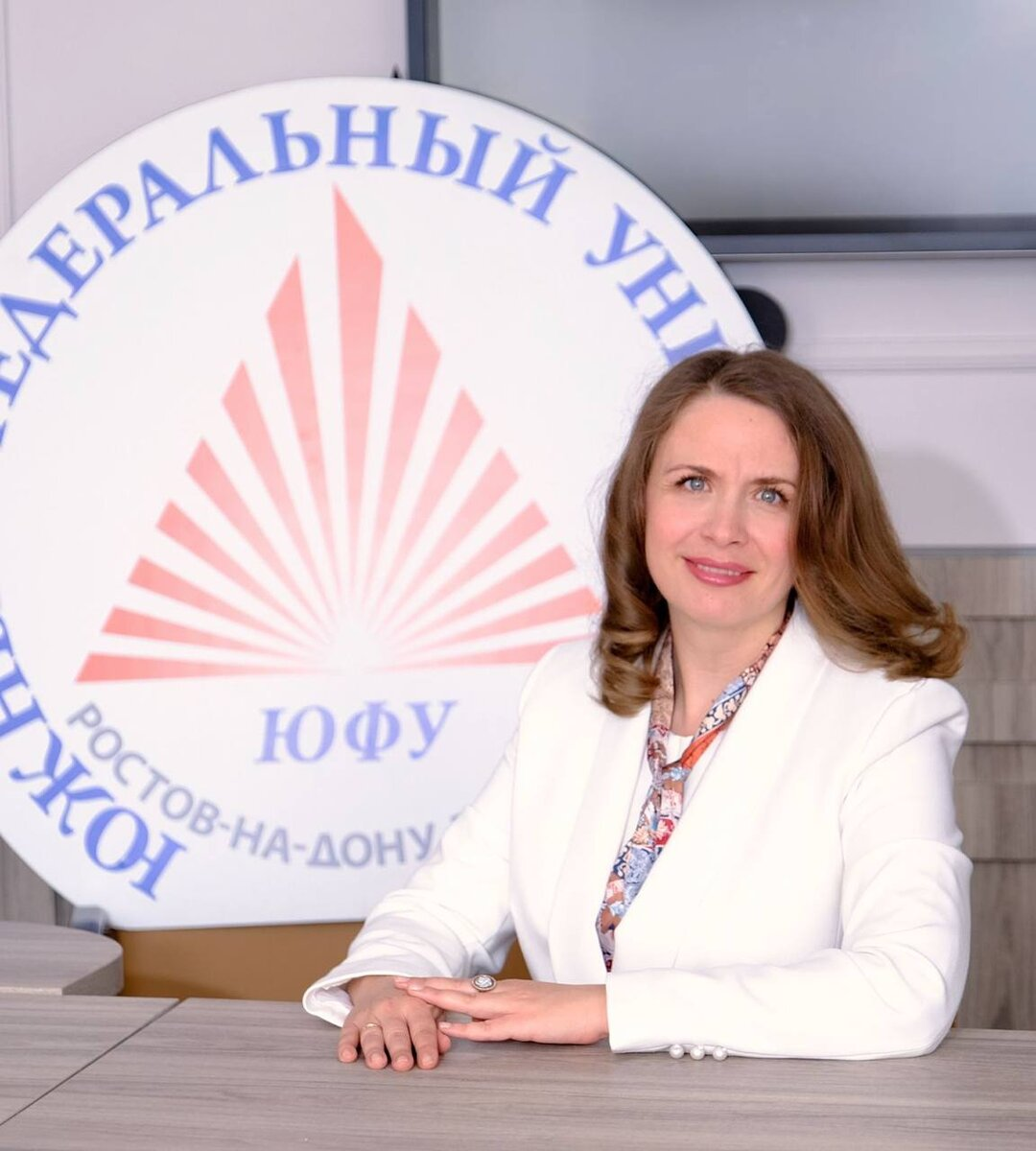
CIRCULAR ECONOMY MAP: IDENTIFICATION AND EVALUATION OF ECONOMIC AND CRIMINAL LAW RISKS IN VALUE CHAINS
The goal of the project is to develop an analytical mapping toolkit for the assessment of economic and criminological‑legal critical points and risks in circular value chains, in order to formulate recommendations for a seamless transition to a circular economy.
Anastasia Yu. Nikitaeva
Doctor of Sciences (Economics), Professor, Head of the Department of Information Economics, Faculty of Economics, Southern Federal University.
Research interests: circular economy, sustainable industry development, digital transformation of industry, Industry 4.0, public–private partnerships.
Personal page
Learn more Anastasia Yu. Nikitaeva
Doctor of Sciences (Economics), Professor, Head of the Department of Information Economics, Faculty of Economics, Southern Federal University.
Research interests: circular economy, sustainable industry development, digital transformation of industry, Industry 4.0, public–private partnerships.
Personal page
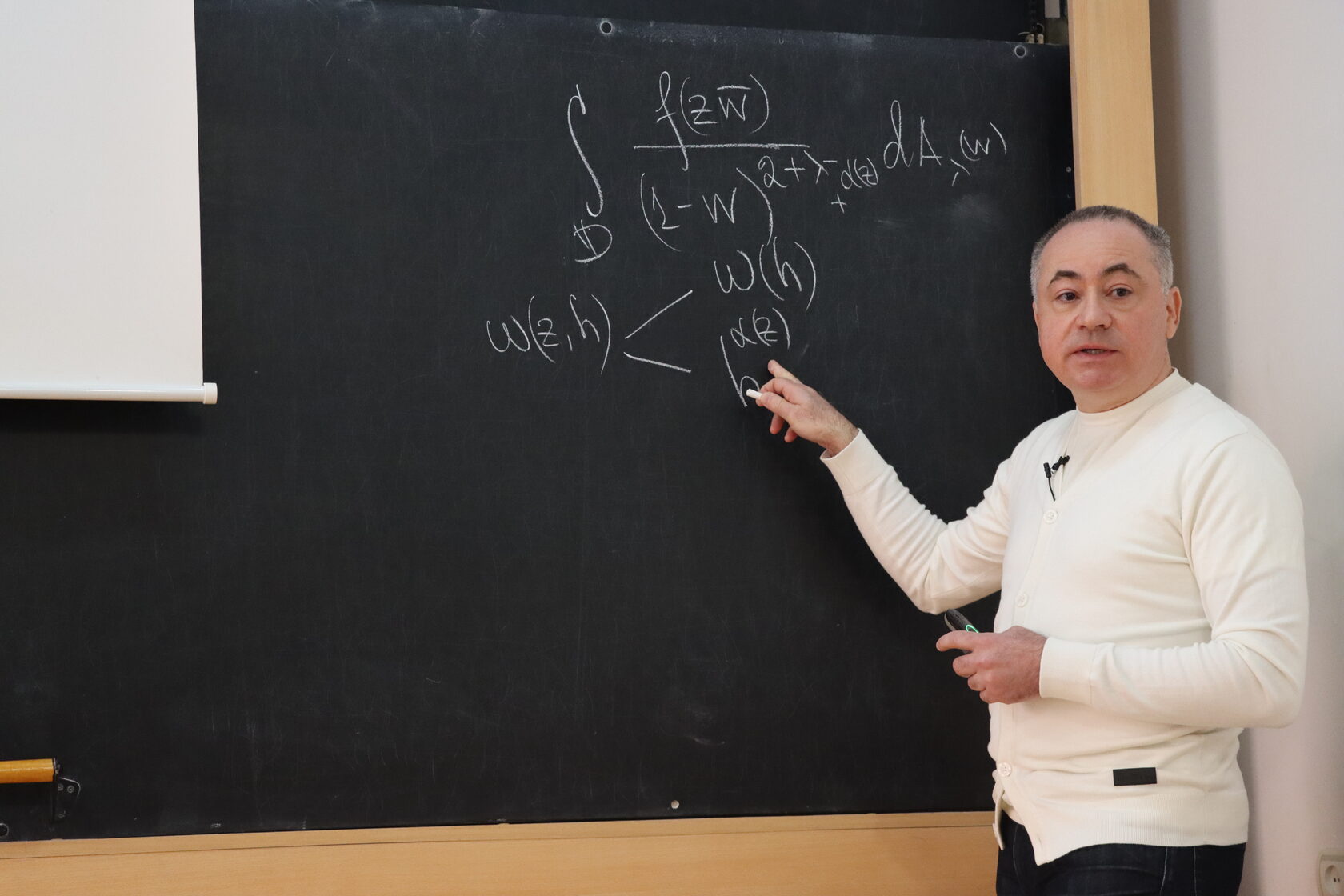
PROBLEMS OF MATHEMATICAL PHYSICS AND ARTIFICIAL INTELLIGENCE
Harmonic analysis and applied harmonic analysis, problems of mathematical physics, fractional integro-differentiation, operators and spaces with canonical (reproducing) kernels, including applications in AI (RKHS).
Karapetyants Alexey Nikolaevich
Doctor of Physical and Mathematical Sciences, Professor at Southern Federal University
Director of the Regional Scientific and Educational Mathematical Center of SFedU
Editor-in-Chief of the Journal of Mathematical Sciences (Series A, Springer Nature).
Personal page
Learn more Karapetyants Alexey Nikolaevich
Doctor of Physical and Mathematical Sciences, Professor at Southern Federal University
Director of the Regional Scientific and Educational Mathematical Center of SFedU
Editor-in-Chief of the Journal of Mathematical Sciences (Series A, Springer Nature).
Personal page
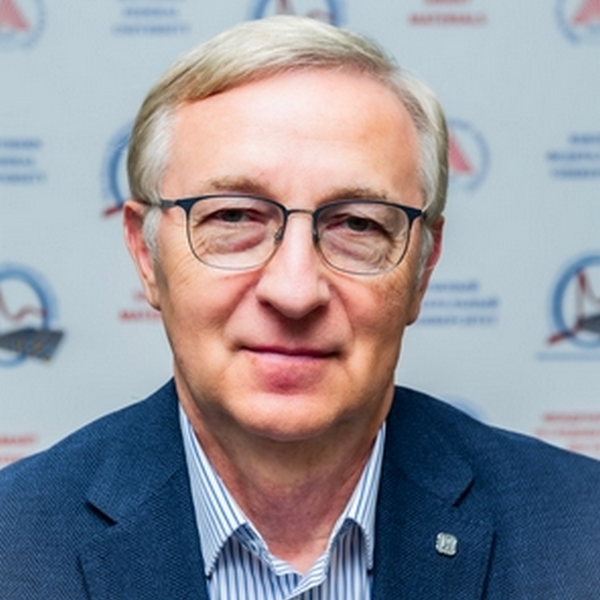
METAL-ORGANIC FRAMEWORKS AND MIXED-MATRIX POLYMER MEMBRANES: AI-ASSISTED DESIGN AND STRUCTURAL ENGINEERING USING SYNCHROTRON RADIATION
Development of the scientific foundations for the design and structural engineering of metal-organic frameworks (MOFs) and mixed-matrix membranes based on them, using artificial intelligence technologies and in situ and operando synchrotron diagnostic methods. The approach is aimed at establishing quantitative structure–function correlations between the topology of the porous framework, the morphology of the polymer–MOF composite, and the transport/selectivity characteristics of the membranes, enabling a transition from empirical to predictive (reverse-engineering-based) design of next-generation materials for gas separation, water purification, and membrane catalysis.
Head of project:
Alexander Soldatov - doctor of physical and mathematical sciences, professor, director of the smart materials research Institute SFedU
Personal page
Learn more Head of project:
Alexander Soldatov - doctor of physical and mathematical sciences, professor, director of the smart materials research Institute SFedU
Personal page
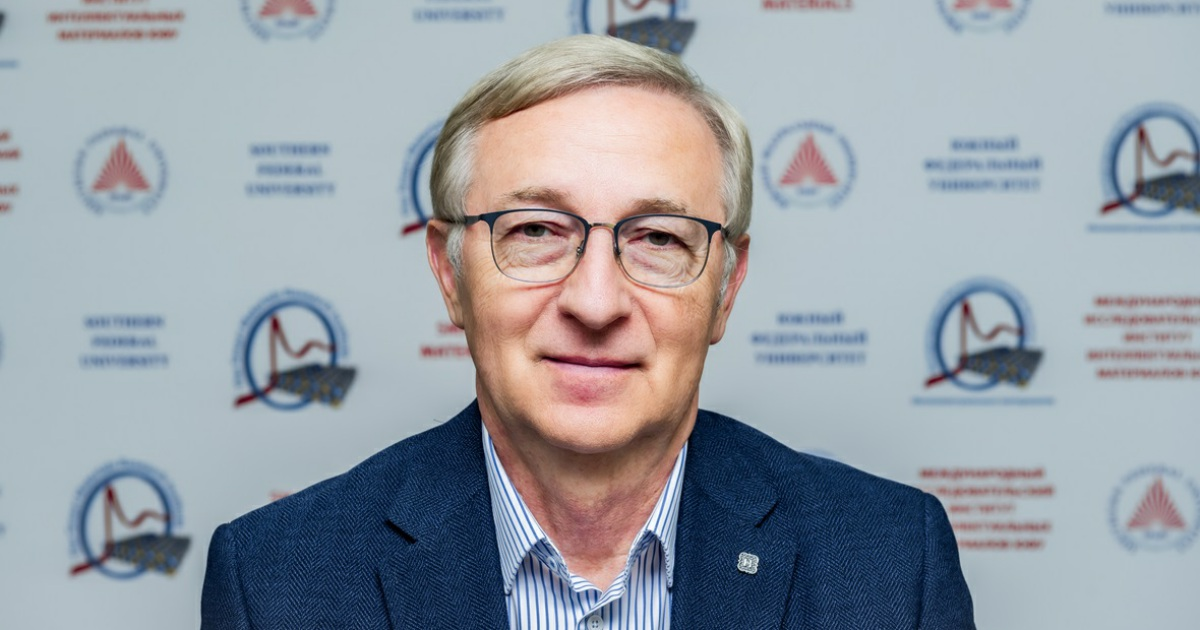
SPIROPYRAN-FUNCTIONALIZED MOFs AS STIMULI-RESPONSIVE "SMART" MATERIALS: LIGHT-CONTROLLED MOLECULAR CAPTURE, AI-ASSISTED DESIGN, AND SYNCHROTRON CHARACTERIZATION OF STRUCTURAL TRANSFORMATIONS
The goal
Development of a new class of stimuli-responsive metal-organic frameworks (MOFs) functionalized with spiropyran photochromic groups, capable of reversible light-controlled capture and release of target molecules through light-induced spiropyran–merocyanine isomerization.
Head of project:
Alexander Soldatov - doctor of physical and mathematical sciences, professor, director of the smart materials research Institute SFedU
Personal page
Learn more Development of a new class of stimuli-responsive metal-organic frameworks (MOFs) functionalized with spiropyran photochromic groups, capable of reversible light-controlled capture and release of target molecules through light-induced spiropyran–merocyanine isomerization.
Head of project:
Alexander Soldatov - doctor of physical and mathematical sciences, professor, director of the smart materials research Institute SFedU
Personal page
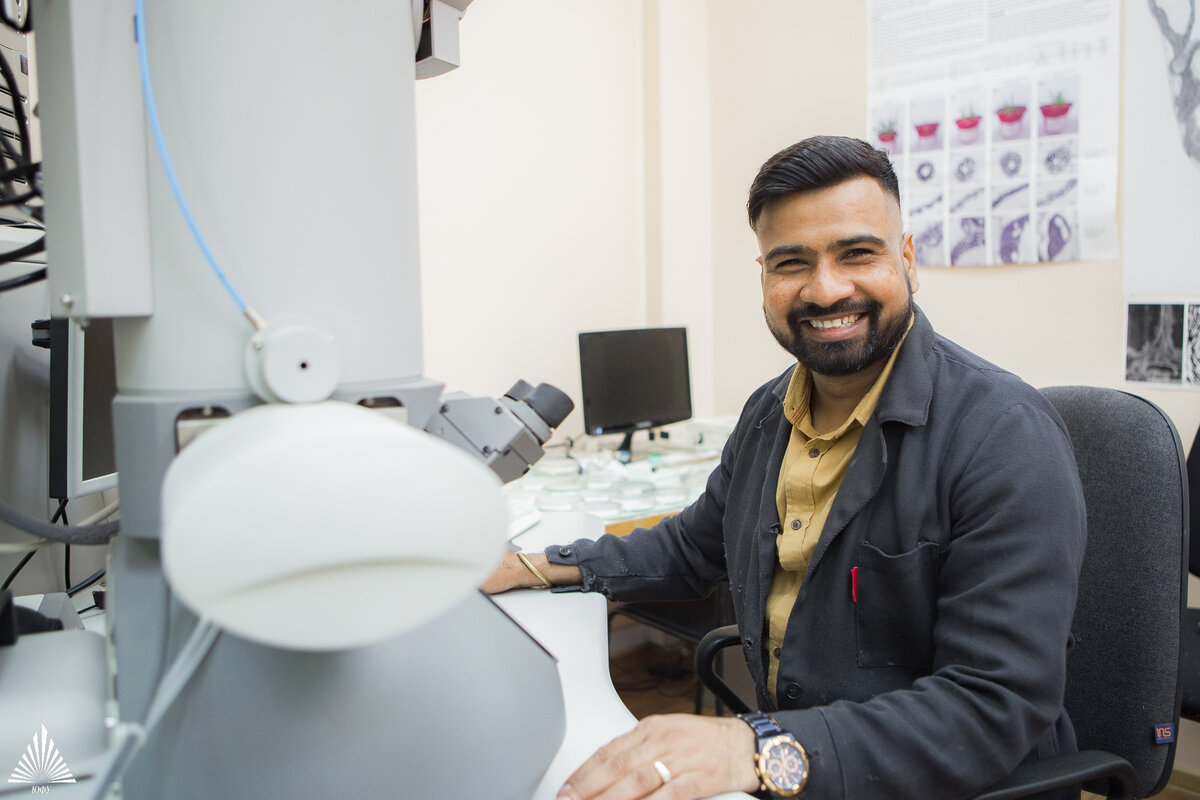
BIOENGINEERING OF THE RHIZOSPHERE
The goal is to improve soil health and crop yield by engineering the existing indigenous soil and plant-associated microbiomes using novel nanomaterials and nano-biochar
Rajput Vishnu Dayal - PhD, principal scientis
Personal page
Learn more Rajput Vishnu Dayal - PhD, principal scientis
Personal page
Analysis of big experimental data based on supercomputer modeling and machine learning technologies
The goal of the research and development project is to develop a comprehensive non-destructive in-situ and operando nanometrological X-ray spectral characterization of the parameters of the local atomic and electronic structures of materials using modern instrumental methods, including the latest generation of synchrotron radiation sources
Head of project:
Alexander Soldatov - doctor of physical and mathematical sciences, professor, director of the smart materials research Institute SFedU
Personal page
Learn more Head of project:
Alexander Soldatov - doctor of physical and mathematical sciences, professor, director of the smart materials research Institute SFedU
Personal page
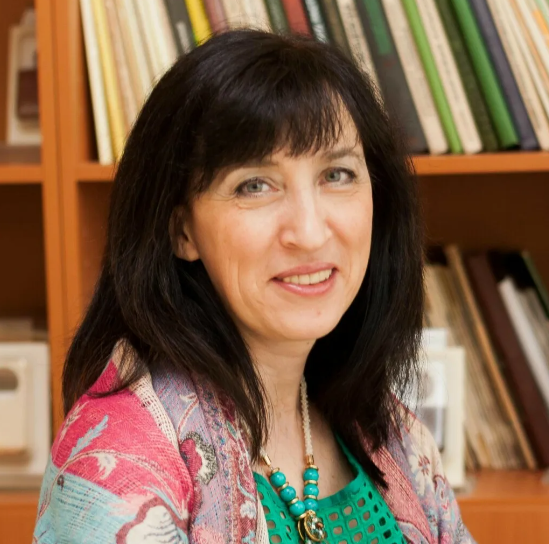
Experimental and theoretical foundations for monitoring, diagnosis and restoration of soil ecosystems
The goal is to develop advanced methods and technologies for diagnosing and improving the quality of soils and plants in anthropogenic landscapes
Tatyana Minkina - doctor of biological sciences, professor, head of the department of soil science and land resources assessment
Personal page
Learn more Tatyana Minkina - doctor of biological sciences, professor, head of the department of soil science and land resources assessment
Personal page
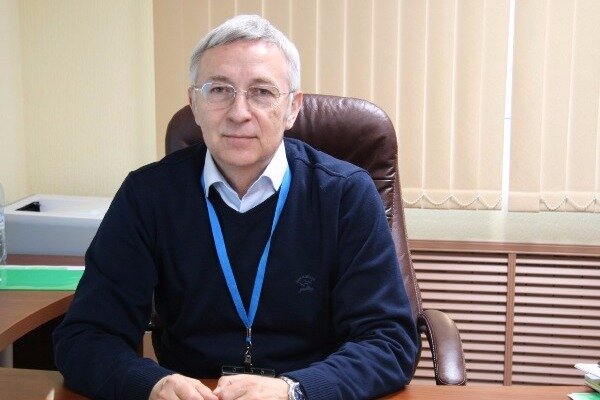
Development and prediction of advanced novel materials properties using computer modeling and machine learning methods
The goal of the research project is multiscale supercomputer modeling of reaction energy profiles and modeling of the properties of organometallic complexes and metal-organic framework structures using molecular dynamics methods
Head of project:
Soldatov Alexander Vladimirovich - doctor of physical and mathematical sciences, professor. Acting director of the smart materials research Institute SFedU
Personal page
Learn more Head of project:
Soldatov Alexander Vladimirovich - doctor of physical and mathematical sciences, professor. Acting director of the smart materials research Institute SFedU
Personal page
BIOENGINEERING OF THE RHIZOSPHERE
The goal is to improve soil health and crop yield by engineering the existing indigenous soil and plant-associated microbiomes using novel nanomaterials and nano-biochar
Rajput Vishnu Dayal - PhD, principal scientis
Personal page
Learn more Rajput Vishnu Dayal - PhD, principal scientis
Personal page
UNIVERSITY OF TWO CITIES
Most SFedU faculties and institutes are located in the city of Rostov-on-Don – a beautiful capital of the Don Region with the richest heritage, the largest industrial and cultural center on the banks of the picturesque Don River. The population of the Rostov region is 4,152.5 thousand people. SFedU engineering faculties are in the city of Taganrog, which is situated on the shore of the Taganrog Bay of the Azov Sea. The Don Region is attractive for its rich history, charming nature, hospitable inhabitants, and distinctive Cossack culture. Our region is the birthplace of the great Russian writers Anton Pavlovich Chekhov and Mikhail Aleksandrovich Sholokhov.
- The average cost of living for a range of goods and paid services in the Rostov region is 37,568 rubles ($459 or ¥3,304)
- Geographical location
- Climate
- History of the Rostov region
- Discover the highlights of Rostov and Taganrog
- Shopping centers of Rostov, Taganrog
- Parks of Rostov, Taganrog
- Interesting facts about Rostov, Taganrog
- Excursions and tourism in the Rostov region
USEFUL INFORMATION
- Additional expenses
- Recognition of foreign education
- Sports and outdoor activities in Rostov and Taganrog
- Off-campus rental opportunities
STUDENT CAMPUS
- SFedU offers its students comfortable apartment-type dormitories.
- There are playgrounds, a swimming pool, a library, reading rooms, and student cafés on the territory of campus.
- SFedU campus is a guarded facility with security cameras and staff all around.
SERVICES FOR INTERNATIONAL STUDENTS
STUDENT LEISURE
- STUDENT SPORTS CLUBSA student association that organizes and conducts sports events at the university, municipal, regional and all-Russian levels, promotes a healthy lifestyle, forms and performs SFedU national teams in competitions of the Association of Student Sports Clubs of Russia.
- InterSFedU Club
Brings together students who want to meet new cultures and new people. The aim is to create a safe space to share and educate each other about different cultures by engaging in a range of social events and making friends from all over the world. - VOLUNTEER CENTER
The SFedU Volunteer Center is a team of enthusiasts and motivated students who help organize and run charity events, training events, forums, campaigns and meetings at university and national levels. SFedU volunteers offer their support and networking in sport competitions and environmental activities.
We strive to create a welcoming & homely atmosphere for our students
Support and participation in cultural festivals, as well as religious and traditional holidays , all this help students to better adapt in Russia
Learn more
Support and adaptation of SFedU international students
- Department of Mentoring and Socio-cultural Adaptation of International StudentsFollow official groupIt brings together students who want to meet new cultures and new people. The aim is to create a safe space to share and educate each other about different cultures by engaging in a range of social events and making friends from all over the world.
- Department of social and psychological supportVisit official websiteIt provides social and psychological support for international students from the moment of their arrival until graduation. SFedU helps to identify and solve problems of adaptation, as well as takes care students’ cultural and psychological well-being.
- Department of Primary Invitation and Migration RegistrationVisit official websiteIt helps with the arrival and stay of foreign students of the SFedU in the territory of the Russian Federation – issuing an invitation, registering for migration registration and extending a visa.
SFEDU STUDENTS’ REVIEWS
SFedU gave me a great opportunity to develop my potential in Computer science and build a career in Cybersecurity. I am grateful to our teachers for their constant support and mentoring, they motivated and encouraged me in all my endeavors.
The opportunity to study with many students from different countries helps us to adapt to Russian culture and learn about other foreign cultures. SFedU is the best university for international students!
The opportunity to study with many students from different countries helps us to adapt to Russian culture and learn about other foreign cultures. SFedU is the best university for international students!
I chose the Southern Federal University because it was highly ranked internationally among higher education institutions in the south of Russia. I study at the Academy of Biology and Biotechnology and do this with great interest. I always recommend SFedU to my friends because it’s here that I realized how much I wanted to implement my project. I like SFedU because here we can prove ourselves in the sphere of culture and art besides doing research.
My name is Yara, I study at the Southern Federal University! Why did I choose SFedU?!
Because for me, SFedU is the best University in the South of Russia. I recommend this university to my friends and acquaintances, because it is here that you can find great support throughout your studies, teachers are always kind to students! I am very lucky, and I am happy to study here!
Because for me, SFedU is the best University in the South of Russia. I recommend this university to my friends and acquaintances, because it is here that you can find great support throughout your studies, teachers are always kind to students! I am very lucky, and I am happy to study here!
I like that SFedU has a strong teaching staff in the humanities, especially in the Department of Russian as a Foreign Language. Our professors inspire us not only to immerse ourselves in Russian language and culture but also to participate in academic conferences and interdisciplinary research at various levels. The university actively encourages students to learn foreign languages, while international students enthusiastically attend cultural events and festivals celebrating Russia's diverse ethnic groups and global cultures. SFedU continuously strengthening its international partnerships, which creates a truly multicultural atmosphere
González Báez Kelly Johana (Colombia)
Lưu Thị Hằng (Vietnam)
هندي نيفين ممدوح ناجه
Hendi Nevin Mamdouh Nageh (Egypt)Salazar Gómez Irina Araceli (Ecuador)
宋晨曦 Song Chenxi (China)
سليمان نزيه سليم
Suleiman Nazih Salim (Palestine)
International Relation Office of Southern Federal University
105/42 Bolshaya Sadovaya Str., Rostov-on-Don, 344006, Russia
+7 (863) 218 40 24
welcome@sfedu.ru
105/42 Bolshaya Sadovaya Str., Rostov-on-Don, 344006, Russia
+7 (863) 218 40 24
welcome@sfedu.ru